Transformer
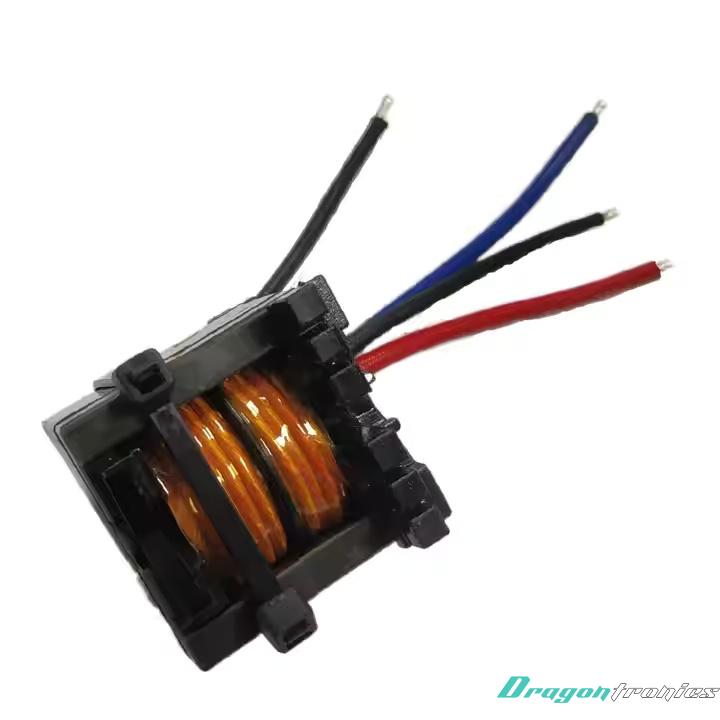
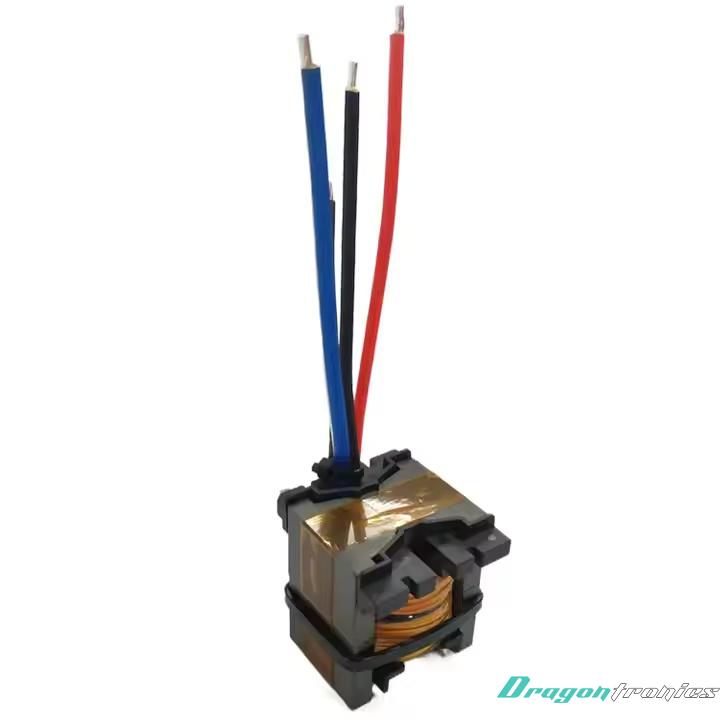
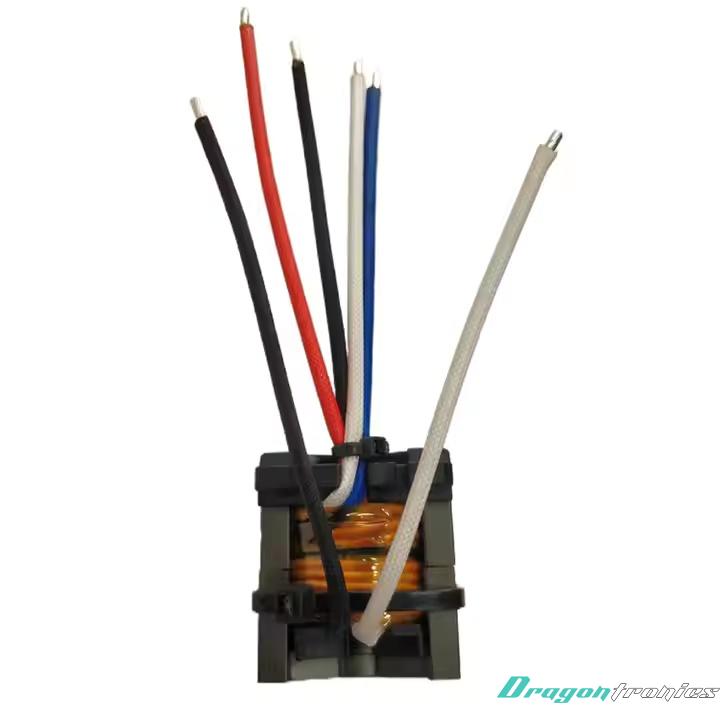
High-Temperature Transformers
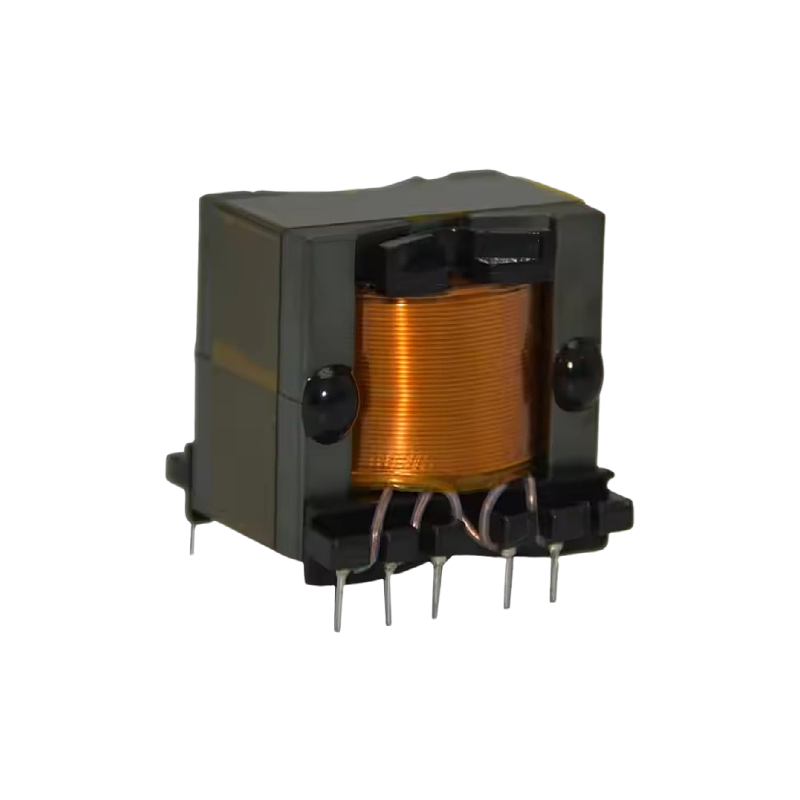
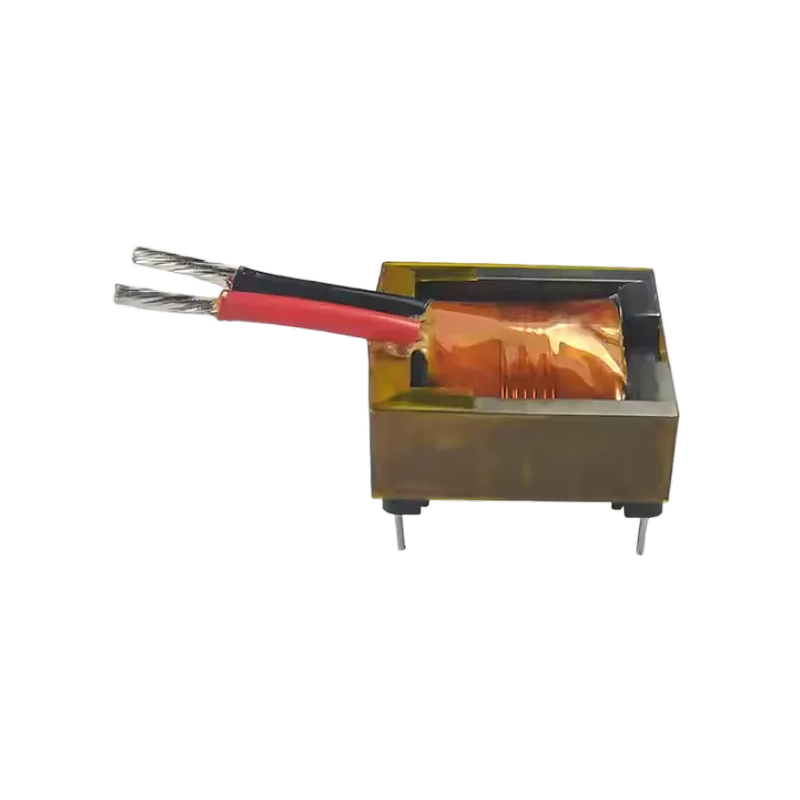
- Product description: Like standard transformers, high-temperature transformers operate based on the principles of electromagnetic induction, but their design is adapted to function effectively under high-temperature condi
Basic Operation:
- Electromagnetic Induction:
- A high-temperature transformer operates by transferring electrical energy from a primary winding to a secondary winding via a magnetic field. When alternating current (AC) passes through the primary coil, it creates a magnetic field that induces a voltage in the secondary coil, according to Faraday’s Law of Induction.
- Magnetic Core:
- The magnetic core (typically made of high-grade silicon steel or amorphous alloys) provides a pathway for the magnetic flux between the primary and secondary windings. This core is designed to withstand heat without losing its magnetic properties.
- Insulation and Cooling:
- As with all transformers, insulation is a critical part of the design. For high-temperature transformers, special attention is paid to the insulation system, which ensures that the windings do not short-circuit or break down due to heat. The transformer’s insulation can operate effectively at higher temperatures, while cooling systems work to maintain the core and windings within safe operating limits.
- Temperature Management:
- The transformer’s design also includes temperature management systems to ensure that the core does not overheat. In oil-immersed high-temperature transformers, the oil circulates through the windings, absorbing heat and transporting it to the surface of the tank, where it is dissipated. In air-cooled systems, fans or heat exchangers may be used to improve airflow and heat dissipation.
PREVIOUS:High Temperature Transformer
NEXT:PQ transformer
Related Products
Latest News
Contact Us
Contact: Theresa Wu
Phone: 86 - 173 1811 9790
Tel: 86 - 135 2868 9819
Add: East of Yong'An Avenue, Economic and Technological Development Zone, Xianning City, Hubei Province, China