Transformer
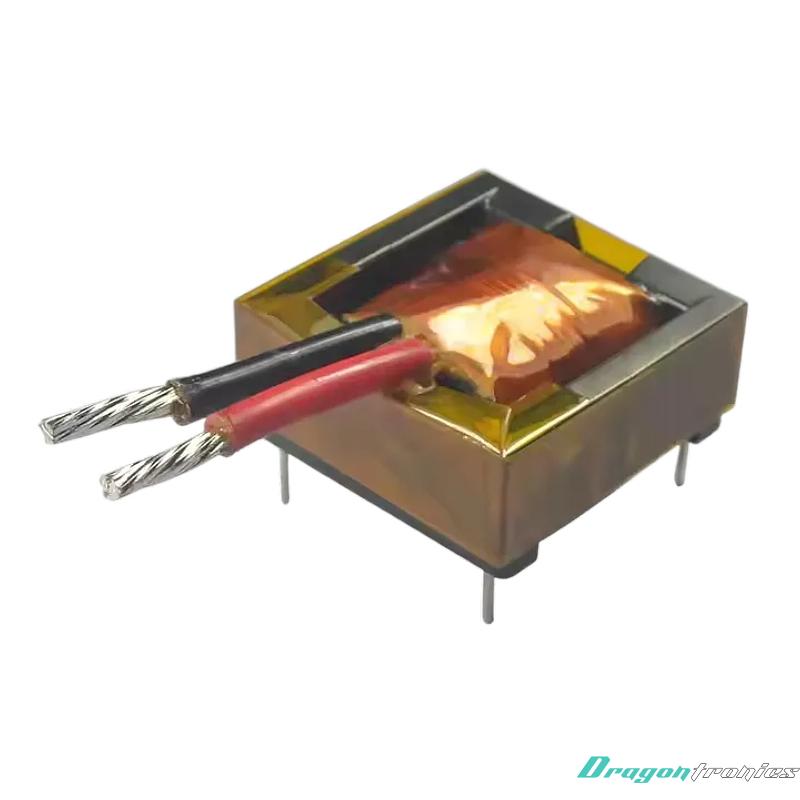
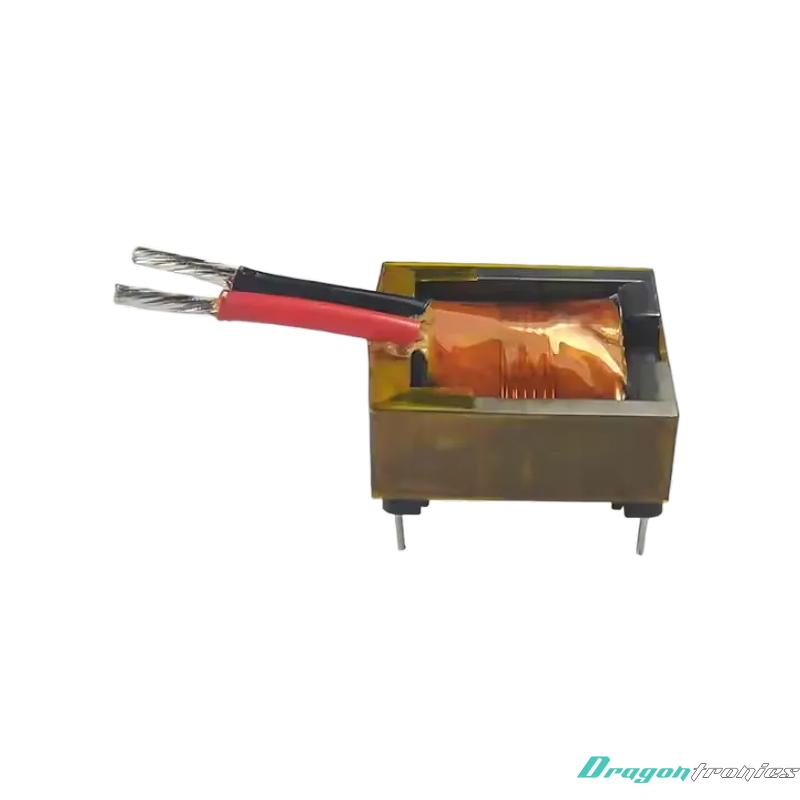
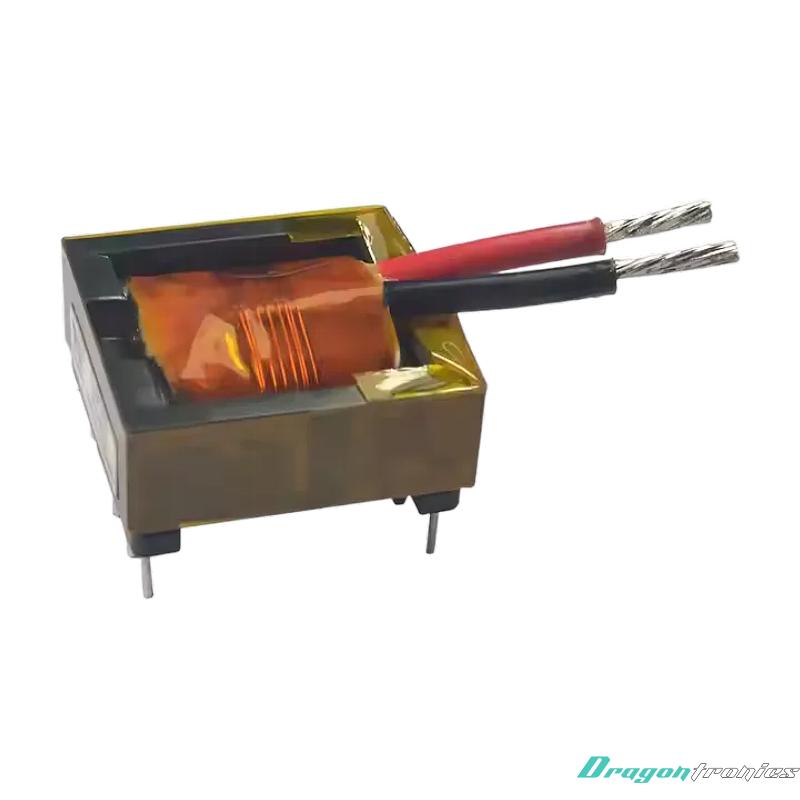
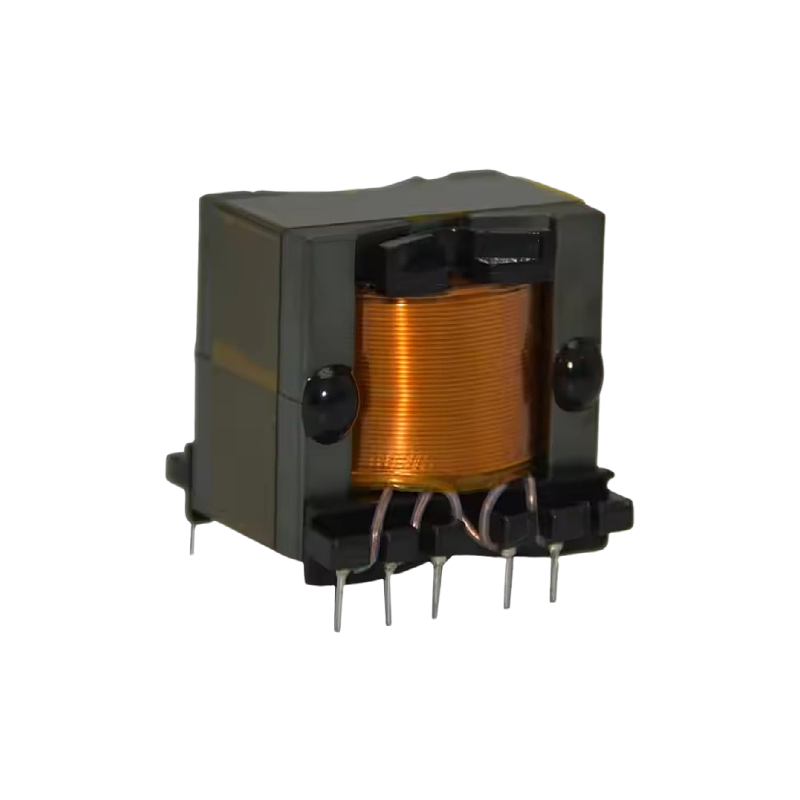
High Temperature Transformer
- Product description: A High Temperature Transformer is a specialized transformer designed to operate reliably in environments where the ambient temperature exceeds the typical operating range of standard transformers. The
Key Features of High-Temperature Transformers:
- Enhanced Insulation System:
- High-temperature transformers use specialized insulating materials that can withstand elevated temperatures without degrading. Common materials include:
- Polymer-based insulation (e.g., epoxy resins, silicone, polyimide).
- Mineral oil or synthetic oil (used as cooling agents in oil-immersed transformers).
- Paper insulation (with higher temperature ratings).
- Enamel coatings on wires or ceramic insulation in some cases.
- Class H (180°C) or higher-rated insulation systems are common for these transformers, meaning they are designed to handle temperatures up to 180°C or higher.
- High-Temperature Materials:
- The core materials (typically made of silicon steel or amorphous alloys) are selected to have stable magnetic properties at elevated temperatures.
- The windings are often made from copper or aluminum but may also include high-temperature alloys or copper-clad conductors to prevent oxidation or corrosion at high temperatures.
- Cooling Systems:
- High-temperature transformers often incorporate improved cooling mechanisms to ensure they don’t overheat. Common cooling methods include:
- Oil cooling: Oil-immersed transformers have mineral oil or synthetic oils as an insulating and cooling medium. The oil absorbs heat from the core and windings and helps dissipate it.
- Air cooling: Some high-temperature transformers rely on forced air cooling (with fans or blowers) or natural convection to keep temperatures under control.
- Hybrid cooling systems: In extreme cases, water cooling or liquid-to-liquid heat exchangers can be used for more demanding temperature conditions.
- Robust Design for Thermal Cycling:
- High-temperature transformers are often subjected to thermal cycling (repeated heating and cooling), so their design must be robust enough to handle these stresses. This includes the use of flexible insulation materials that can tolerate expansion and contraction without cracking or failing.
- Increased Safety and Reliability:
- High-temperature transformers are designed with fail-safes and enhanced overload protection mechanisms to prevent overheating. These may include thermal relays, temperature sensors, and fuses that detect and prevent excessive temperatures.
- Higher Efficiency:
- These transformers are often designed with a focus on high efficiency to minimize heat generation. Low-loss cores and optimized winding configurations ensure that the transformer works efficiently even in challenging environments.
Related Products
Latest News
Contact Us
Contact: Theresa Wu
Phone: 86 - 173 1811 9790
Tel: 86 - 135 2868 9819
Add: East of Yong'An Avenue, Economic and Technological Development Zone, Xianning City, Hubei Province, China